
A Samurai Tattoo’s Meaning Depends on the Warrior
A samurai tattoo can suggest honor, courage, loyalty or discipline. Learn how the character, pose and armor change its meaning—and where lore misleads.
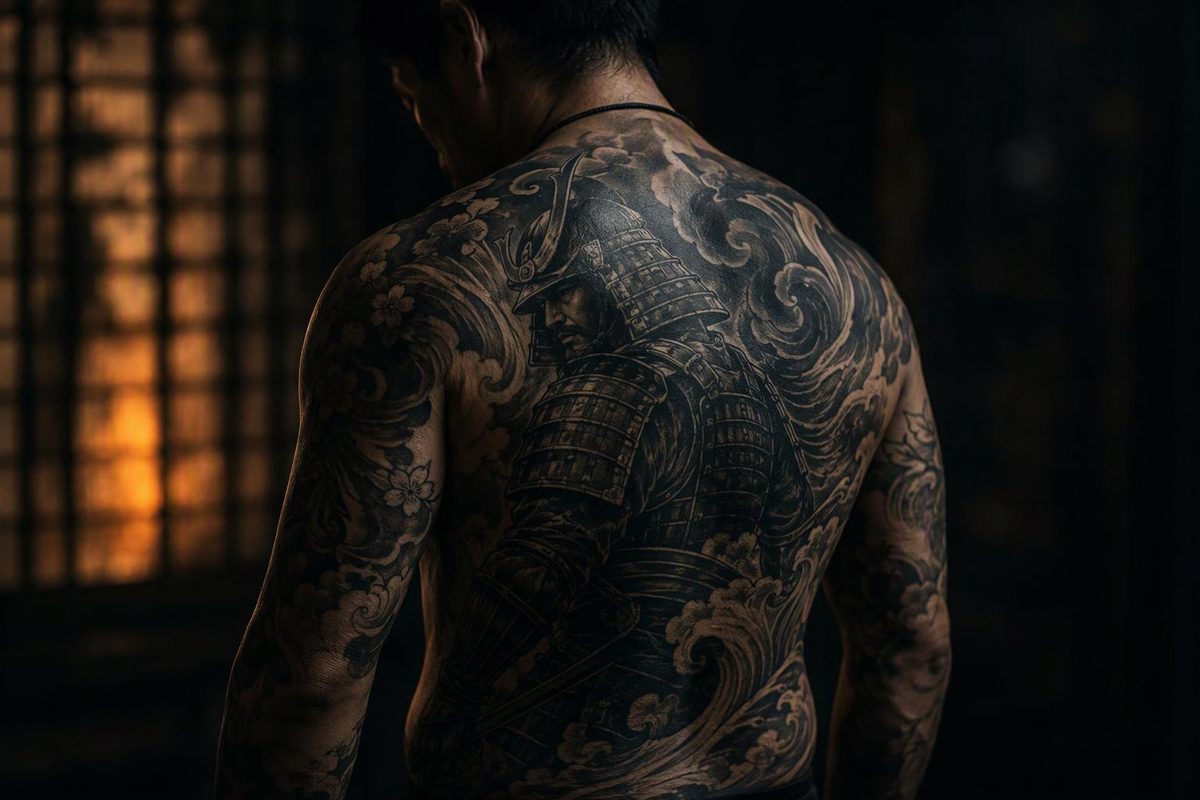
A samurai tattoo can represent courage, honor, loyalty, discipline or the determination to face hardship. These are recognizable modern readings: tattoo studio Chronic Ink associates the subject with courage, honor, discipline and overcoming challenges. They are not a fixed code that lets you decode every warrior tattoo.
The more useful question is: which warrior, doing what? An anonymous armored figure can express personal resolve. A named character from history, theater or folklore brings a particular story—and that story may complicate the simple idea of “strength.”
Honor and loyalty: ideals, not a complete history
For a wearer, a samurai might stand for keeping promises, protecting loved ones or maintaining self-control under pressure. Kenshō’s guide to samurai imagery in Japanese tattooing emphasizes loyalty, integrity, sincerity, justice and inner discipline. That is a practitioner’s interpretation, rather than proof that every historical samurai lived by those values.
Be cautious with explanations that present bushidō, “the way of the warrior,” as one unchanged ancient rulebook. Historian Oleg Benesch explains that samurai varied greatly across periods and social ranks, and that there was no universally accepted warrior ethic. The term bushidō became widely used only from the 1890s, after the samurai class had been abolished. Its familiar modern image owes much to that later reinvention. His account for Japan House London separates the historical warriors from their idealized image.
You can choose the tattoo as a reminder of honorable conduct without claiming that it reproduces a timeless historical code.
Not every Japanese warrior image is a samurai
A sword, dramatic pose or Japanese robe does not settle a character’s identity. Kenshō distinguishes samurai from streetwise folk heroes, strongmen and the heroic rebels of Suikoden. The guide uses jinbutsu—human figures—as the broader category and recommends understanding a character’s name, story, clothing and family crest before depicting them. Those distinctions matter to the tattoo’s meaning.
This is especially useful when choosing a woodblock-print reference. Kuniyoshi’s celebrated Suikoden images drew on the Chinese novel Water Margin, not simply on Japanese samurai history. A Collectors Weekly feature and interview with Museum of Fine Arts, Boston curator Sarah E. Thompson quotes her book explaining that both the tattoos shown on those heroes and the heroes themselves became subjects for real tattoos.
A rebel fighting injustice and a retainer serving a lord can both look formidable. They do not tell the same story.
How the design changes the reading
Treat these as possible visual readings to discuss with your artist, not traditional definitions:
- A warrior in combat: can emphasize confrontation, courage or actively fighting through a difficult period.
- A composed figure with a sheathed sword: can put restraint and readiness ahead of aggression.
- A skull wearing samurai armor: can bring mortality, remembrance or survival into the composition. It need not mean “victory over death.”
- A named figure in a recognizable scene: makes the character’s actions and relationships central, rather than relying on generic warrior symbolism.
A “samurai mask” also needs closer identification. A menpō is facial armor: the Metropolitan Museum of Art explains that these masks defended the face and helped secure the helmet. Most covered the nose and lower face. A fierce expression does not automatically make one a demon mask. If your reference is actually a theatrical hannya, explore its different meaning and Noh context before treating the two as interchangeable.
Give the artist a meaning, not just a label
Instead of requesting “a samurai that means strength,” try a more specific brief: “I want disciplined strength rather than aggression—a composed armored figure, with the sword sheathed.”
If you want a traditional narrative subject, ask the artist to identify the character and explain the scene, crest and surrounding motifs. If your reference comes from a film or game, say so; that fictional character may be the real source of your attachment.
You do not have to invent a profound story if you simply love the image. But knowing whose armor, face or legend you are choosing makes the decision more deliberate—and the tattoo more specific than a borrowed slogan about honor.