
Where Tattoos Hurt Most, and How to Choose Your Placement
Compare ribs, armpits, hands, feet, and other sensitive tattoo placements, then weigh design density, session length, and alternatives with your artist.
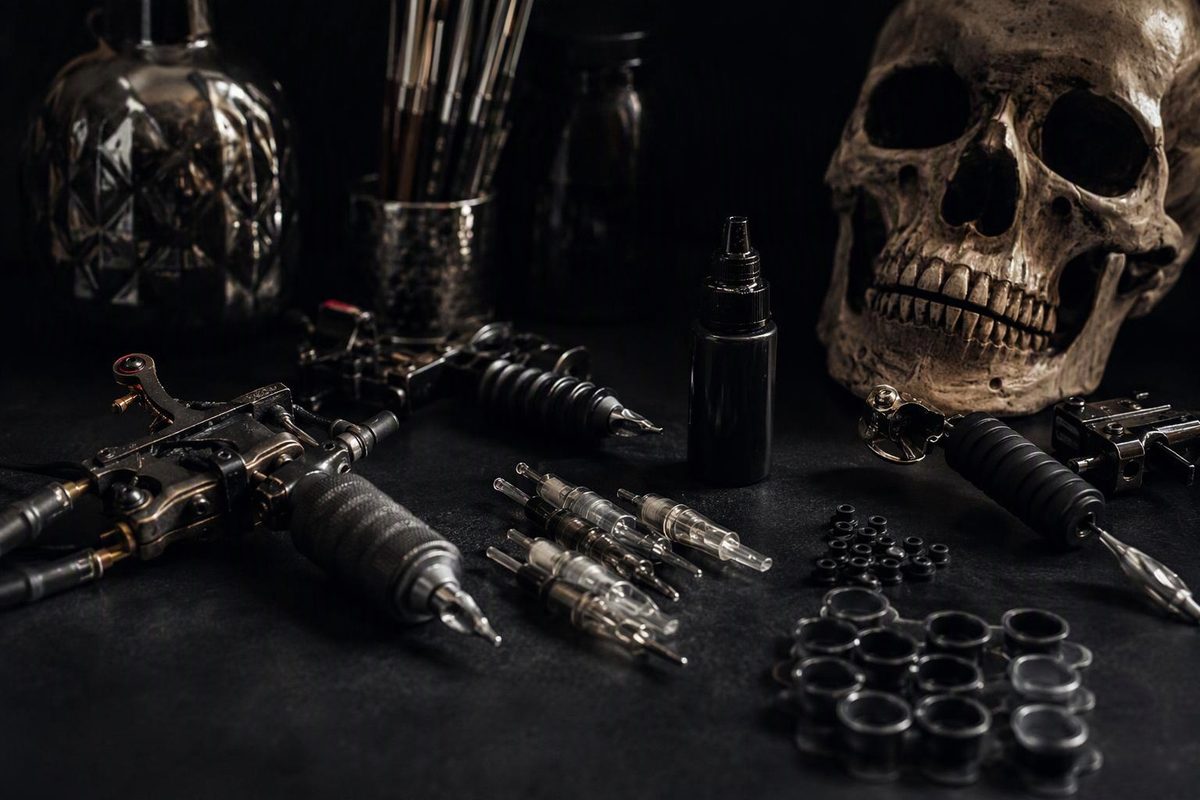
Ribs and armpits belong on the shortlist for the most painful spot for a tattoo, but there is no universal winner. The sternum, feet, hands, elbow creases and backs of the knees are also commonly described as difficult placements. Alchemy Tattoo Collective’s placement guide identifies these recurring trouble spots while emphasizing that individual experiences differ. Use that shortlist to plan cautiously, not to predict exactly how much your tattoo will hurt.
Choose your placement to see its pain considerations and an alternative to discuss with your artist.
Placement Planning Guide
Ribs or Sternum
Commonly described as intense over bony areas; breathing also keeps the ribs moving.
Decision: If the location is flexible, discuss the outer upper arm, outer thigh or outer forearm. If it is essential, ask about shorter sessions and breaks.
Compare the Placement Groups
| Placement | Pain Consideration |
|---|---|
| Ribs / sternum | Commonly intense; bony areas. |
| Armpit / inner upper arm | Delicate, sensitive skin. |
| Elbow / knee creases | Sensitive folds, or “ditches.” |
| Hands / fingers / feet / ankles | High-pain shortlist, even for small designs. |
| Spine / elbow point / kneecap | Bony areas; vibration may accompany the sting. |
| Outer upper arm / thigh / forearm | Often more manageable; not painless. |
What This Comparison Cannot Tell You
These are qualitative expectations, not measured pain scores or a ranking within each group. Session length, repeated passes, style and artist technique also affect the experience. No exact pain score or ideal session length is supplied by these sources.
Sources: Alchemy Tattoo Collective and Healthline; individual experiences vary.
The Most Painful Placements Share Some Features
Thin skin, little cushioning over bone and sensitive areas recur in both Healthline’s tattoo-pain overview and Alchemy’s studio guidance. These are broad expectations from health advice and practitioner experience, not a measured ranking that establishes the same worst spot for every person.
| Placement | What to Expect |
|---|---|
| Ribs and sternum | Frequently described as intense, particularly over bony areas. Breathing keeps the rib area moving during the work. |
| Armpit and inner upper arm | Delicate, sensitive skin; neither should be treated as equivalent to the outer upper arm. |
| Elbow crease and back of the knee | Sensitive folds, often called “ditches” by tattooers, that can feel different from the surrounding limb. |
| Feet, ankles, hands and fingers | Common high-pain placements, even when the planned design is small. |
| Spine, elbow point and kneecap | Bony areas where an uncomfortable vibrating sensation may accompany the needle’s sting. |
The distinction within each body region matters. “An arm tattoo” might mean the outer upper arm, the inner upper arm or the elbow crease. Those are not interchangeable pain prospects. Likewise, a design on the back is not necessarily the same experience as one centered over the spine.
Before accepting a broad label such as “arm” or “leg,” identify where the stencil will actually sit. A design’s center might be away from a sensitive area while its edges cross a joint or bony point. The useful question is not just which body part you have chosen, but which parts of that placement the artist will need to work.
Ribs and Armpits Are Strong Candidates, Not Proven Winners
Ribs are a reasonable answer when someone asks for a notoriously painful tattoo placement. The area appears repeatedly in placement guidance, and work over bony sections is commonly described as intense. Breathing also keeps the area moving, making the experience different from work on a comparatively still section of a limb.
That does not establish that ribs hurt more than armpits, or that every rib tattoo will hurt more than every forearm tattoo. The draft’s sources do not supply a comparative figure that can settle that contest. They support a high-pain shortlist, not an exact order from worst to easiest.
Armpits and the inner upper arm deserve similar caution because of their delicate, sensitive skin. The word “upper arm” can obscure this difference: the outer upper arm is among the more manageable alternatives Alchemy suggests, while the inner area belongs in a more cautious conversation. If pain is driving your decision, ask the artist to show you the proposed position rather than relying on the placement’s name.
There is no need to choose between ribs and armpits solely to identify the more painful one. If neither location is essential to the design, both give you a reason to consider an alternative. If one location is essential, the next decision is how to plan the work there—not whether someone else found another spot worse.
Small Tattoos Can Still Occupy Difficult Spots
Hands, fingers, feet and ankles are common high-pain placements despite the small designs often put there. A small symbol does not turn a sensitive location into an easy one. Size describes the amount of design; placement describes where the work happens. Neither replaces the other.
A brief appointment and a long appointment are also different propositions. A small tattoo may involve less work than a large piece, but that does not tell you how the needle will feel at its exact location. Conversely, choosing a more manageable area does not guarantee that a densely worked design will remain comfortable throughout the sitting.
Keep those judgments separate when comparing designs. “Small” is not a pain rating, and “fine-line” is not a promise of painless tattooing. Alchemy identifies tattoo style, repeated passes and session length as factors in the experience. The practical question is what your particular drawing requires, not which reassuring label can be attached to it.
For a small hand or foot tattoo, discuss that specific placement with the artist. Do not borrow expectations from a similarly sized tattoo on the outer arm. The dimensions may be comparable while the placement is not.
Creases and Bony Points Need Precise Placement Decisions
The elbow crease and back of the knee are often called “ditches” by tattooers. These sensitive folds can feel quite different from adjacent areas. A tattoo described simply as being “near the elbow” could avoid the crease, enter it at one edge or sit directly inside it. That distinction belongs in the stencil discussion.
The elbow point, kneecap and spine raise a different consideration: work over bony areas can produce an uncomfortable vibrating sensation as well as the needle’s sting. Saying that a tattoo hurts does not describe only one sensation, and a person’s experience of those sensations is not a reliable score for somebody else.
If the design can move, ask whether shifting it away from the crease or bony point would still preserve the intended composition. This is a design decision, not a guarantee of a particular reduction in pain. The sources provide no figure for how much a small placement change would help.
If the design depends on that exact location, make that clear before discussing shorter sessions or breaks. Otherwise, the conversation can drift toward an easier placement that no longer delivers the tattoo you wanted. Pain planning should support the design choice, not quietly replace it.
Session Length and Technique Change the Proposition
Alchemy’s guidance identifies session length, repeated passes, tattoo style and artist technique as factors affecting the experience. A brief rib tattoo and a densely worked rib piece therefore should not be treated as equivalent appointments merely because they share a location.
A placement that feels tolerable early on may become harder during a long sitting. This is why a body map is only the beginning of planning. It can flag a sensitive area, but it cannot tell you how much shading, solid fill or repeated work your design needs, or how the artist intends to approach it.
Ask the artist to explain the work involved in the actual drawing. How much of the appointment will be linework, shading or solid fill? Could the piece be split into shorter sessions? How should you request a break or an adjustment to your position? These questions connect pain planning to the appointment you are booking.
The sources here do not establish an ideal session length or a maximum sitting that everyone should follow. Avoid replacing an unsupported pain score with an equally unsupported time limit. The useful plan is one you and your artist can discuss and adjust, rather than a test of how long you can endure the chair.
Outer Limbs Are Alternatives Worth Discussing
The outer upper arm, outer thigh and outer forearm are often more manageable starting points, according to Alchemy. They still hurt. Their value is as alternatives to discuss when pain matters more to you than keeping a design on the ribs, in an armpit or across a ditch.
Choose among them with the design in mind. If you are still deciding on size and visibility, our tattoo ideas guide can help narrow those choices before the placement conversation. Once you know what the tattoo needs to show, the artist can discuss whether an outer-limb placement serves it.
A useful distinction is whether the original location is essential or simply your first idea. If it is simply your first idea, compare the stencil in an alternative location before committing. If it is essential, acknowledge the more demanding placement and plan the session accordingly. Neither choice requires pretending that the tattoo will be painless.
These alternatives are not a universal ranking among themselves. The guidance supports “often more manageable,” not a claim that the outer thigh is always easier than the outer forearm. Your design and the work it requires still matter within that lower-concern group.
Pain Charts Cannot Predict Your Exact Experience
A chart assigning ribs a precise score can look more definitive than the evidence behind it. The sources used here do not provide a measured comparison that justifies promising you a particular number for a particular placement. There is no supported figure here for how much worse ribs are than the outer arm, either.
Someone else’s account can identify a spot worth discussing, but it cannot establish what you will feel. Their tattoo may have involved a different design, session length, technique or amount of repeated work. Even a report about the same body part does not necessarily describe an appointment comparable to yours.
Read a pain map as a caution map. Ribs, armpits, creases and bony points deserve a deliberate plan. Outer-limb placements may offer more manageable alternatives. Neither statement turns an individual experience into a forecast, and neither makes a difficult tattoo a measure of personal toughness.
Preparation and Numbing Cream Need Separate Conversations
Alchemy advises against arriving underfed, dehydrated or short on sleep. It also recommends being honest about anxiety and asking for breaks. Those recommendations concern how you arrive and communicate during the appointment; they do not erase the differences between placements.
Agree with your artist on how to request a pause or change in position before the work begins. That is more useful than treating the longest possible sitting as the goal. A worthwhile tattoo does not require you to compete with someone else’s account of their worst session.
If you are considering numbing cream, discuss it with your artist and a pharmacist or clinician before using it. The U.S. FDA warns about high-strength topical products marketed for tattooing. Its consumer advice is not to use OTC pain-relief products containing more than 4% lidocaine, apply them heavily over large areas or to irritated or broken skin, or cover treated skin with wraps or dressings.
That U.S. warning is not a blanket approval of every product at or below that concentration. Concentration alone is not a safety guarantee; how a product is used matters too. “Tattoo numbing” on the packaging does not establish that a product is safe. Keep the product-safety conversation separate from choosing your placement: a sensitive spot still calls for a realistic plan, not an assumption that a cream will make the appointment easy.